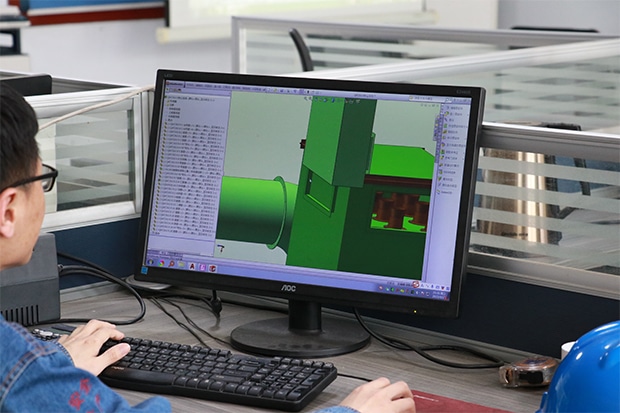
In the world of foundry equipment, cold box core shooters play a vital role. These machines are essential for creating sand cores that help shape molten metal during the casting process. This technology is used widely because it offers precision and speed, ensuring each core is crafted to exact specifications.
Using a cold box core shooter involves several key parts working together. These include the core box, which shapes the sand, and the gas system that hardens the core. Each component is important for the machine’s overall function and efficiency.
Whether for small workshops or large industrial foundries, cold box core shooter parts are crucial in metal casting. Understanding this equipment can help businesses improve their production processes, saving time and reducing waste.
Cold box core shooters have several essential parts, each playing a vital role in the machine’s operation. These components include the shooting head assembly, gas generator and control system, sand magazine and hopper, tooling and core box, and ejection and extraction system. Each part contributes to efficient core production.
Shooting Head Assembly
The shooting head assembly is crucial for directing sand into the core box. It consists of a blow plate that controls the flow of sand. Precision is key here; even the smallest misalignment can lead to defects. The shooting head must be robust to withstand high pressure. It often includes mechanisms like solenoid valves, which help in controlling the movement of sand.
This part works closely with other components to ensure the sand is packed evenly and tightly, which is critical for producing quality cores.
Gas Generator and Control System
The gas generator and control system handle the chemical hardening process. This component mixes amine gas with air, sending it through pipes to cure the sand rapidly. The control panel allows operators to adjust gas flow and pressure.
That level of control ensures consistent core quality by optimizing the curing conditions for different types of sand and mold designs. Keeping the system calibrated minimizes waste and maximizes efficiency. Its reliable operation is a must for continuous production.
Sand Magazine and Hopper
The sand magazine and hopper are where the sand is initially stored and prepared. Sand is fed from this section into the shooting head assembly. The hopper’s design usually features vibrating mechanisms to prevent clogging, ensuring a steady flow of sand.
The magazine holds a large volume of sand, maintaining an ample supply for long production runs. This setup limits downtime, as operators do not have to refill the system frequently. Reliable delivery to the shooting head is crucial for maintaining productivity.
Tooling and Core Box
The tooling and core box provide forms for the sand cores. They are often crafted from durable materials like aluminum or steel to withstand the pressure and repeated use. These components are customizable, allowing manufacturers to create a variety of core shapes and sizes.
The core box design significantly impacts the final product’s precision and surface finish. Regular maintenance of these tools ensures they retain their shape and effectiveness. Proper alignment and fit are key to reducing defects and optimizing the production process.
Ejection and Extraction System
The ejection and extraction system is responsible for removing the finished core from the core box. Ejector pins or plates push the core out smoothly to avoid damage. This system ensures a quick transition between production cycles.
Automated ejection mechanisms enhance productivity by minimizing manual labor and reducing the risk of errors. Consistency in ejection speeds up production and maintains the integrity of the cores. Proper ejection guarantees cores are ready for immediate use or secondary processing.